

 Australian Dollar

Complete Home Solutions for Comfort and Safety
Posted by Renovator Mate on 03 Oct 2025
Homes feel better when comfort, style, and safety pull in the same direction. Warm light through the living room, a breeze on hot nights, a kitchen you can wipe down in seconds, and an entry that feels solid when someone knocks—these are the small wins that stack up. Having lockable sliding doors provides airflow and a firm latch while maintaining visibility, which makes everyday comings and goings feel calmer. From there, the best plan is to build outward: tidy paths and lighting, a pergola that tames summer heat, and finishes inside that deal with splashes and steam without fuss.
Why does a secure entry matter?
Your main doors set the tone for the rest of the home: strong where needed, easy to live with day to day.
- Durability: Quality frames and stainless mesh resist weather and hard knocks, so the door stays tight over time.
- Visibility: Clear sight lines let you identify visitors without opening up, which feels calmer on busy evenings.
- Airflow: A secure screen welcomes a cross-breeze after sunset without inviting mozzies or dust.
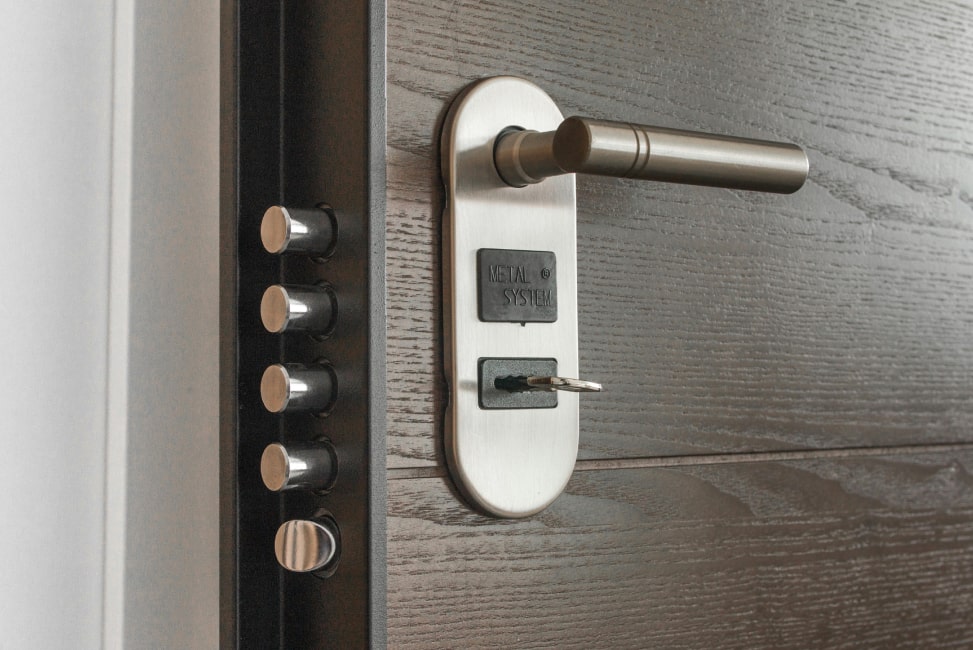
- Locking mechanisms: Multi-point locks spread force along the frame, helping against prying and rattling.
After swapping a rattly slider for a tighter unit, the first surprise is silence: the door stops humming in a southerly. You also stop juggling keys at arm’s length because the handle feels planted and predictable.
Layering security and peace of mind
Security rarely comes from one big item; it’s the sum of small choices that work together.
- Strategic lighting: Motion lights near the entry and side paths trigger at the right moment, then switch off quietly.
- Landscape planning: Trimmed shrubs under windows reduce hiding spots without stripping all the greenery.
- Entry flow: Paths that are visible from inside make arrivals feel natural and less tense.
- Complementary upgrades: A good screen pairs well with solid gate latches and tidy fencing; nothing squeaks or sags.
For practical, non-alarmist guidance that fits everyday homes, the home safety guidance outlines simple steps that reduce risk without turning the place into a fortress. Pick two or three changes, then live with them for a month before adding anything else.
Pergolas for outdoor comfort
A pergola does more than make shade: it nudges the family outside after 4 pm and gives weekends a default spot to land.
- Seasonal shade: Adjustable louvers or batten spacing let winter sun through while blocking summer glare.
- Zoning: A defined roofline turns a vague patio into a room with edges, useful for meals or reading.
- Style options: Timber softens brick; powder-coated steel, or retractable awnings echoes modern frames and keeps maintenance low.
- Property value: A thoughtful structure reads as usable space, which helps when it’s time to sell.
Specifications for free standing pergolas outline typical spans and post options, which help match the structure to block dimensions. If unsure, trace the footprint with a garden hose and sit there at noon and at dusk—the shadows usually reveal the best orientation.
Glass splashbacks for style and function
Inside, the right surface turns cleanup from a chore into a two-wipe routine. Glass splashbacks reflect light, keep grout out of the equation, and age gracefully.
- Easy cleaning: One smooth panel avoids grout lines that trap sauce or steam residue.
- Light reflection: A glossy plane bounces morning light deeper into the room, helping smaller kitchens feel bigger.
- Custom designs: Solid colours calm busy benchtops; printed patterns carry just enough personality.
- Heat resistance: Toughened glass splashbacks behind cooktops handles heat when installed with proper clearances.
Searches for “glass splashbacks near me” commonly relate to lead times, edge finishes, and warranty terms. Bringing a benchtop offcut to colour selections usually makes decisions faster than relying on memory.
Tying the entry, outdoor space, and kitchen together
Upgrades work best when they talk to each other. A steady breeze through the secure screen makes the pergola more inviting; an evening pizza session outside keeps the kitchen calmer; a clean, reflective splashback bounces that last light back through the room.
- Traffic lines: Align the pergola exit with the kitchen so plates and trays travel a straight shot.
- Colour families: Let one neutral link the entry frame, pergola posts, and splashback tone so the house feels intentional.
- Maintenance rhythm: Plan small tasks—wipe glass, oil timber, check latches—on the same weekend so nothing drifts.
The aim isn’t perfection. It’s a home that’s easy to use: doors that close with a neat click, shade where you actually sit, and surfaces that shrug off a spilled pan without drama.

How to plan and stage upgrades without stress?
Big projects get easier once they’re broken into steps. A clear order trims costs and stops jobs from stepping on each other.
- Scope first: Write what “done” means—cooler deck by 3 pm, calmer entry at night, faster clean-up in the kitchen.
- Measure honestly: List openings and spans once, then hand the same numbers to every supplier for cleaner quotes.
- Sequence smartly: Secure doors first for daily use, pergola framing second, then splashbacks so templates suit final cabinetry.
- Budget buffers: Leave a small margin for hardware upgrades; the nicer handle or latch is often where quality is felt daily.
Treat each decision as a test you’ll live with for a season. If it still works after the hottest week and the wettest Saturday, the choice was sound.
Every day care that keeps value high
Once everything is in, small habits protect the investment. None of this is glamorous; all of it works.
- Monthly wipe-through: A damp microfibre on mesh and frames stops grime from becoming hard work later.
- Latch check: A quick listen for rattles and a dab of dry lube keeps locks smooth and quiet.
- Pergola lookover: Tighten fixings after the first storm; timber moves a touch and then settles.
- Glass routine: Soft cloth and mild cleaner avoid micro-scratches, keeping edges crisp.
Most homes don’t need heroics—just a steady, low-effort loop. The payoff shows up quietly: fewer squeaks, fewer scrapes, and a house that feels looked-after without constant projects.
Bringing it all together
Think of the place as a system. Start at the door you touch ten times a day. Add shade where you actually sit. Choose a splashback you won’t resent wiping after dinner. Keep the palette simple, the hardware solid, and the maintenance bite-sized. With that rhythm, comfort and safety tend to look after themselves—on hot days, wet weeks, and ordinary Tuesday nights alike.